Game Content
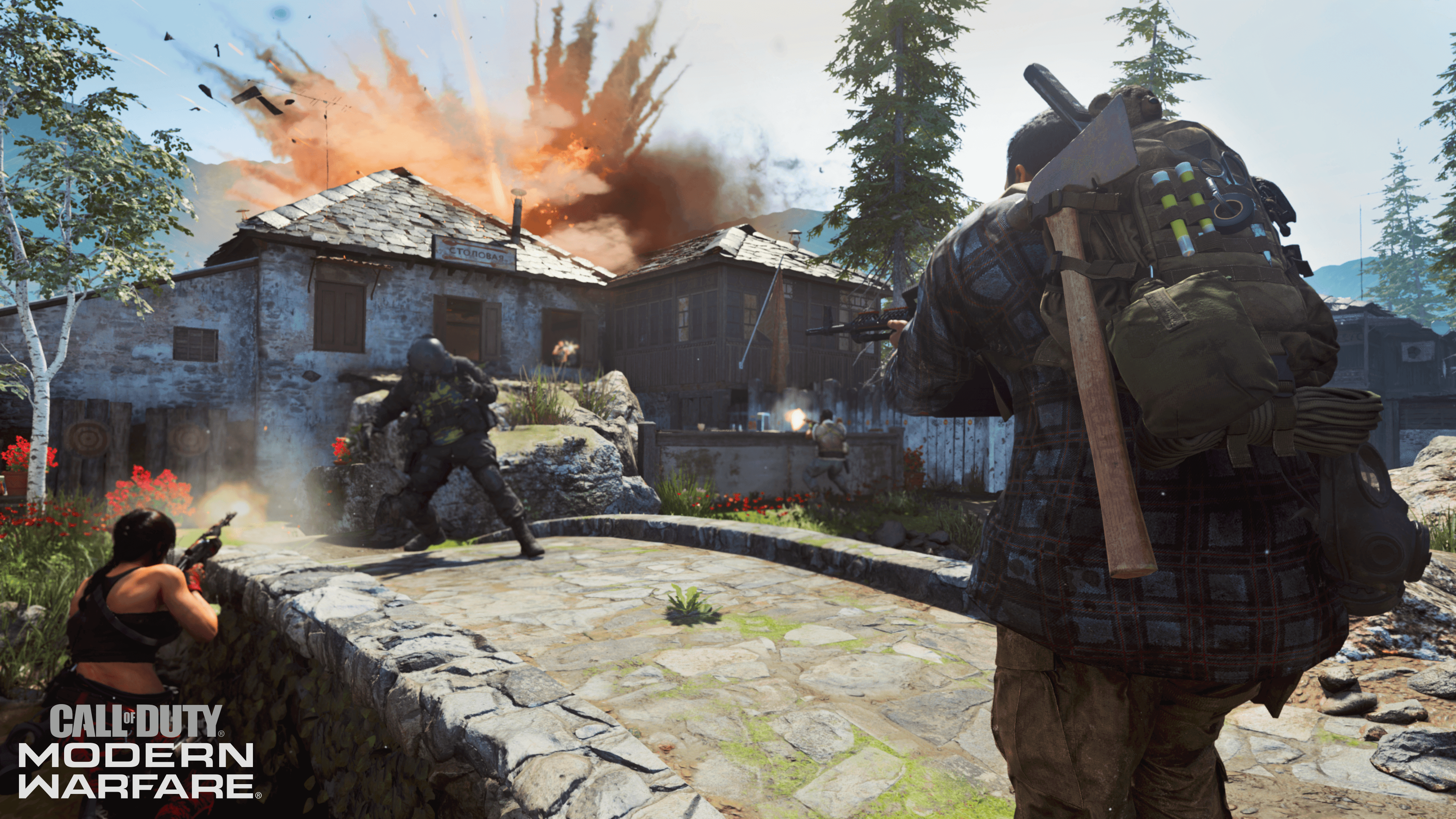 The learning theory characteristics of the game, demonstrated through aspects of behaviorism, self-determination theory, episodic memory, and social learning theory, alongside the motivational characteristics of the game, including components from the ARCS-V model, flow, and the taxonomy of intrinsic motivation, provide an optimal atmosphere through which players may learn specific game content. A pervasive issue with learning content is the “decontextualization of instruction” (Cordova & Lepper, 1996, p. 715). With a highly contextualized game, however, content acquisition may occur much more naturally. When content is learned, attitudes are changed, or behavior is improved through the use of games, this represents games for impact or gamification (Czauderna, 2020). According to Kapp (2012), “gamification is using game-based mechanics, aesthetics and game thinking to engage people, motivate action, promote learning, and solve problems” (Chapter 1, What is Gamification?, para. 4).
In the case of Call of Duty Modern Warfare, players learn specific content and skills as they progress through the game. These include hand-eye coordination, solving problems, quick decision making, risk taking, thinking the unthinkable, and thinking like your opponent, which are areas that can be acquired through gamification (Kapp, 2012).
The mechanics and setup of the game allow for improvement in the area of hand-eye coordination, solving problems and quick decision making. For example, the fast-paced environment with enemies and obstacles popping up on different parts of the screen and requiring divided attention aids in the improvement of hand-eye coordination. Solving problems with higher order thinking skills is also required to be successful in the game. The enemy team presents itself in various different formations. In one battle there may be many hidden snipers, while another may have enemies hiding in unexpected locations. Each game requires the player to determine the best way to defeat the enemy without being killed. This approach likely involves working together with the team and possibly creating an informal strategy. Making judgements about which weapons are best to use depending on the situation and how to allocate them involves critical thinking skills. Added to the complexity of this problem-solving environment is the necessary quick decision making involved in the game. Decisions must be made almost instantaneously throughout a battle, and a wrong decision often results in death. As players compete in this game over time, their quick decision-making skills are likely to improve.
 In addition to hand-eye coordination, problem solving, and quick decision making involved in Call of Duty Modern Warfare, the rules and environment of the game allow for risk taking, thinking the unthinkable, and thinking like your opponent. In this game, risk taking is understood to be a tool to find out information, rather than something to be avoided. Players can try out different ideas for an attack, even very risky ones. Although they may die trying, they are reinserted back into the game again and again. This gives players the opportunity to take risks and learn from those risks for future missions. The environment is very much like one might encounter in a war zone. Although many people playing this game likely do not encounter these situations on a daily basis, the game provides the opportunity for them to think about, analyze, and overcome these situations. Learning about and choosing weaponry, and analyzing when to fall back and when to attack are areas where players engage in thinking about what otherwise may be unthinkable to them: how to survive in a warlike situation. Finally, the game also allows players to think like their opponent. Through the kill cam, players can see exactly how their opponent defeated them. This can give insight into what their enemy was thinking and how they might better defend or attack in the future.
The game content acquired in Call of Duty Modern Warfare can also be thought of and categorized into different domains of learning.
