Learning Theory Characteristics
Call of Duty Modern Warfare embodies multiple learning theory characteristics, including components of behaviorism, self-determination theory, episodic memory, and social learning theory. These elements are evident through the structure and actions of the game and create an engaging and fun environment for the players. At the most fundamental level of these learning theory characteristics is an understanding of how people behave.
Behaviorism
Behaviorism is an empirical, scientific theory concerned with the observable behavior of humans (Graham, 2019). At its heart is the question of “how people behave, and especially how to change or elicit specific behaviors” (Harasim, 2012, p. 10). A stimulus and response system is utilized and manipulated to affect behavior (Ertmer & Newby, 1993). Pavlov pioneered this movement through his work in classical conditioning where he identified an instinctual behavior in dogs toward food and paired it with a new external signal to produce the same response (Keller & Schoenfeld, 1995).
Skinner expanded upon Pavlov’s work with operant conditioning, where he proposed that voluntary behavior could also be conditioned based on a stimulus and response (Harasim, 2012). Of great importance in Skinner’s work were his experiments with various forms of behavioral reinforcement in producing a desired response, namely, variable ratio, fixed ratio, variable interval, and fixed interval reinforcement (Kapp, 2012).
Variable and fixed ratio reinforcement involves the participant receiving a reward based on doing a certain action a specified (fixed) number of times or a varied (variable) number of times (Kapp, 2012). Variable and fixed interval reinforcement, on the other hand, involve rewards for behavior after a specified (fixed) or varied (variable) amount of time has passed (Kapp, 2012). Skinner’s behaviorist approach to operant conditioning and reinforcement schedules is evident in the structure of Call of Duty Modern Warfare.
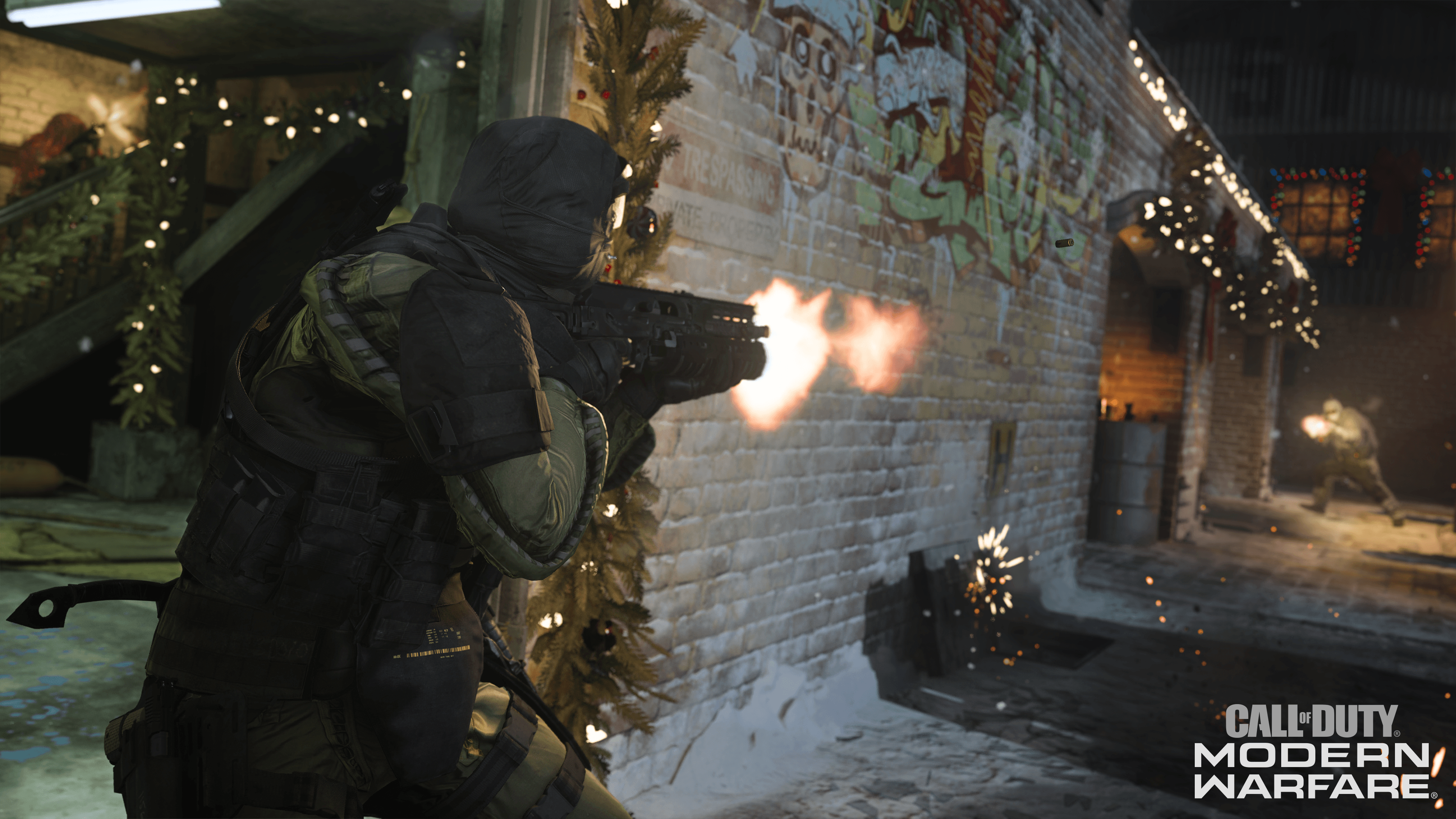
Call of Duty Modern Warfare exemplifies behaviorism in its most basic form of stimulus and response in that if players do certain actions they will die and if they do other actions they will live. Players attempt to repeat behaviors that will keep them alive and avoid behaviors that will cause them to be killed. Variable and fixed ratio reinforcement schedules are utilized in the game. A player may earn experience points based on actions they take in the game that will enable them to level up or improve their rank. A varied amount of experience points will earn them rewards, which represents a variable ratio reinforcement schedule. Additionally, fixed ratio reinforcement is interwoven through various aspects of the game, such as earning new weapons based on a specific number of actions. For example, a player may win a crossbow by using a marksmanship rifle in five kills over 25 different matches. Although much of the game revolves around overt behaviors and the outcome of those behaviors, internal psychological needs also play a role in the design of Call of Duty Modern Warfare.
Self-determination Theory
Self-determination theory takes a more holistic and organismic approach to human behavior in analyzing what causes people to act based on both physiological and psychological needs (Deci & Ryan, 1985; Ryan & Deci, 2017). In particular, the level of fulfillment of the psychological needs of autonomy, competence, and relatedness determines the extent to which a person will choose to act in a given situation (Ryan & Deci, 2017).
 Autonomy is evidenced through a person’s willful acts, involving both volition and self-regulation (Ryan & Deci, 2017; Tamborini, Bowman, Eden, Grizzard, & Organ, 2010; Tan, 2018). A person’s perception of control and autonomous actions can be undermined by excessive extrinsic motivators and supported by the presence of free choice and flexibility (Durksen, Chu, Ahmad, Radil, & Daniels, 2016; Ryan & Deci, 2020).
Competence refers to a person’s need to feel effective in the way he or she intended (Ryan & Deci, 2017; Tan, 2018). Competence is facilitated when optimal challenges are provided in a structured environment that provides informative feedback (Martin, Kelly, & Terry, 2018; Proulx, Romero, & Arnab, 2017; Ryan & Deci, 2020). Optimal challenge can be attained through scaffolding in order to lessen the distance between a person’s ability alone and his or her ability with an expert’s help, as described by Vygotsky’s zone of proximal development (Chen, 2014; Harwood & Brett, 2019; Vygotsky, 1978).
Relatedness refers to a person’s perception of social connectedness and acceptance (Proulx et al., 2017; Ryan & Deci, 2017, 2020; Tamborini et al., 2010; Tan, 2018) and is facilitated through interaction and positive communication (Durksen et al., 2017; Hew, 2016; Martin et al., 2018; Sun & Rueda, 2012). Studies have shown that self-determination theory may be a reliable way to interpret causes of behavior in an online multi-user environment (Huang, Backman, Backman, Mcguire, & Moore, 2019; Proulx et al., 2017).
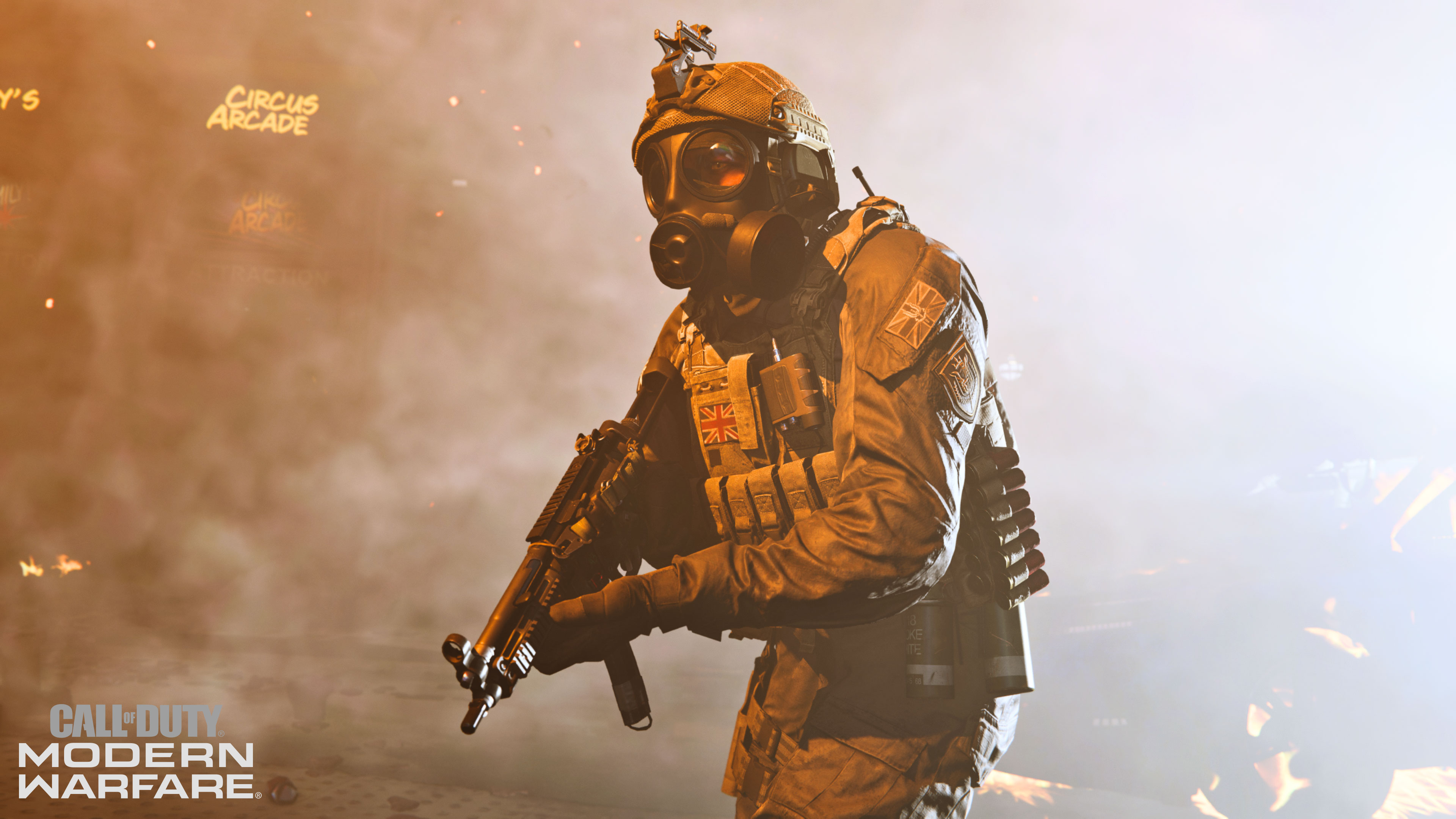
In the multi-player online game of Call of Duty Modern Warfare, self-determination theory’s three psychological needs of autonomy, competence, and relatedness are evident in varying levels. Autonomy is likely the strongest element in this game, demonstrated through enjoyment and satisfaction in defeating the enemy, curiosity in figuring out how to beat different player formations, and choice in weaponry, actions, and movement within the game. There are some extrinsic rewards associated with these actions, such as experience points and additional weapons. These may internalized to create autonomous intrinsic motivation since they are associated with the player’s improved ability, creating value attribution to these motivators (Ryan & Deci, 2020). Autonomy may be hindered in the game due to the lack of control in certain elements. For example, team assignment is random, there are time limits on each round, and there are unpredictable events such as explosions or unexpected enemies around any corner.
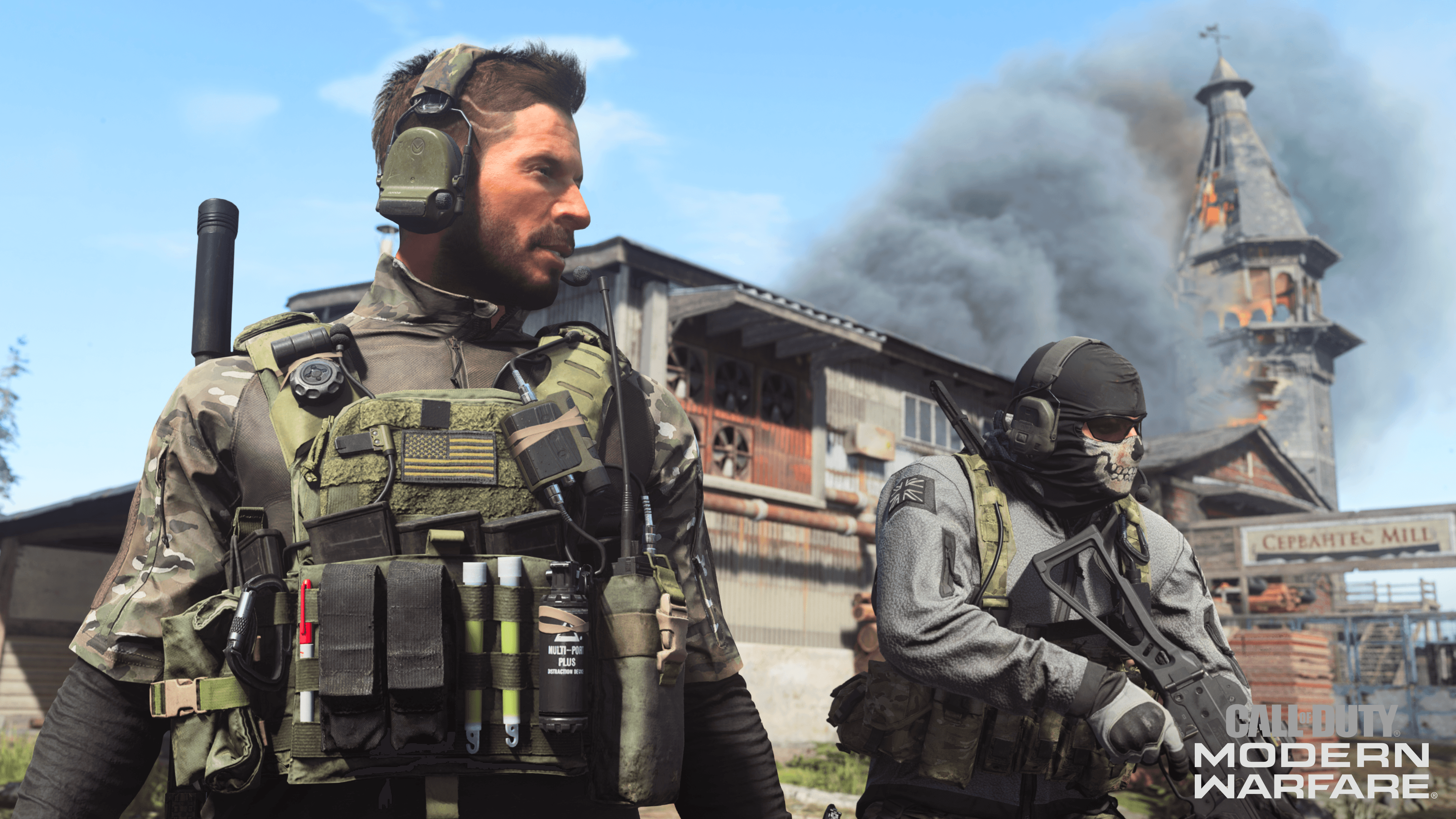 Competence, on the other hand, seems to be the weakest element in Call of Duty Modern Warfare in the areas optimal challenge and feedback. The challenge of killing the enemy before one is killed in the fast-paced action is often too difficult, especially for novices. Although the online system matches players with similarly skilled players for each round, the game lacks scaffolding or progressive disclosure. The game provides comments throughout the battle as well as a leaderboard at the end, which give informative feedback. For novices, however, this feedback is likely mostly negative, creating a feeling of ineffectiveness in the game.
Players can feel a sense of relatedness through the online platform and communicate over microphones, yet this communication may be positive or negative depending on the other players’ perceptions. As such, these interactions may support or hinder the need for connectedness and acceptance.
Varying levels of autonomy, competence, and relatedness are evident in the game, with the strongest element being autonomy and the weakest competence. Competence may improve over time through the use of episodic memory and social learning theory elements present in the game.
Episodic Memories
Episodic memories are evident in Call of Duty Modern Warfare. These types of memories are defined by the process through which “a person’s long-term memory…receives and stores information about temporally dated episodes or events and temporal-spatial relations among those events” (Kapp, 2012, Chapter 3, Episodic Memory, para. 1). With episodic memories, a person is able to categorize certain memories based on their location and time (Kapp, 2012). These types of memories create a framework or schema in the person’s mind to aid in future recall (Kapp, 2012). Schema theory establishes the importance of these schemata in applying and predicting future learning and in reducing cognitive load (Driscoll, 2005).
Sample Map View:
(Ulterior Covert, 2020)
In the game, there are a limited number of maps provided as the players’ environment. Through repeated use, players remember specific maps and their layouts. In a certain map, a player may realize that enemies are likely to be around a certain corner, behind a certain obstacle, or on a particular rooftop. This map can turn into a schema that players access when playing a different map. Associations between similar corners, obstacles, and rooftops, or other features that resemble these items can help players predict the actions they should take with greater success. Repeated use and automation of these schemata can also reduce cognitive load in future games (Driscoll, 2005). Players can focus more attention on the unexpected and new items once the map layouts and common obstacles become automated.
Episodic memories and the formation of schemata can aid in improved competence over time, whereas social learning theory elements may provide the opportunity for more immediate growth.
Social Learning Theory
Social learning theory highlights the benefits of learners observing and imitating others’ behaviors in similar environments (Kapp, 2012). In video games specifically, there are minimal real-world negative consequences for failure and many more opportunities for repeated play, creating a favorable environment for the benefits of social learning theory to exist and flourish (Kapp, 2012).
Sample Kill Cam
(P Long, 2020)
In Call of Duty Modern Warfare, players have access to a kill camera each time they are killed. The kill camera replays the kill and allows the player to see exactly how the enemy killed him or her. Through observing the enemy’s behavior, the player can identify better techniques to avoid being killed in that way and gain knowledge on how to kill other players. The player may then imitate this behavior in future games, improving his or her competence.
